
 Scan QR Code
Send My Request
Material Properties of POM: Why It Suits Precision Spacers
Sunday, 12/21/2025
This article explains why polyoxymethylene (POM) is an ideal material for precision spacers used in engineered plastic components. It covers POM's dimensional stability, wear resistance, low friction, chemical resistance, injection molding advantages, design tips for Bost’s black POM spacer, comparisons with nylon and PTFE, testing standards, and real-world applications.
- Material Properties of POM: Why It Suits Precision Spacers
- What is POM (Polyoxymethylene) and why it matters for engineered plastic components
- Key material properties that make POM ideal for precision spacers
- Dimensional stability and low moisture absorption: keeping tolerances tight
- Wear resistance and low friction: ideal for moving interfaces
- Chemical resistance and thermal performance for real-world use
- Manufacturing advantages: why injection molding suits precision spacers
- Design considerations when specifying Bost’s black POM spacer
- Performance comparison: POM vs Nylon (PA) vs PTFE
- Application examples and use cases for engineered plastic components
- Quality, testing and standards for engineered plastic spacers
- Brand advantages: Why choose Bost's black POM spacer for your engineered plastic components
- FAQ
- Q: What makes Bost's black POM spacer better than generic spacers?
- Q: Can POM spacers handle high temperatures?
- Q: Is POM suitable for outdoor use?
- Q: How precise can injection-molded POM spacers be?
- Q: Can Bost’s black POM spacer replace metal spacers?
- Contact and view product
- Authoritative references
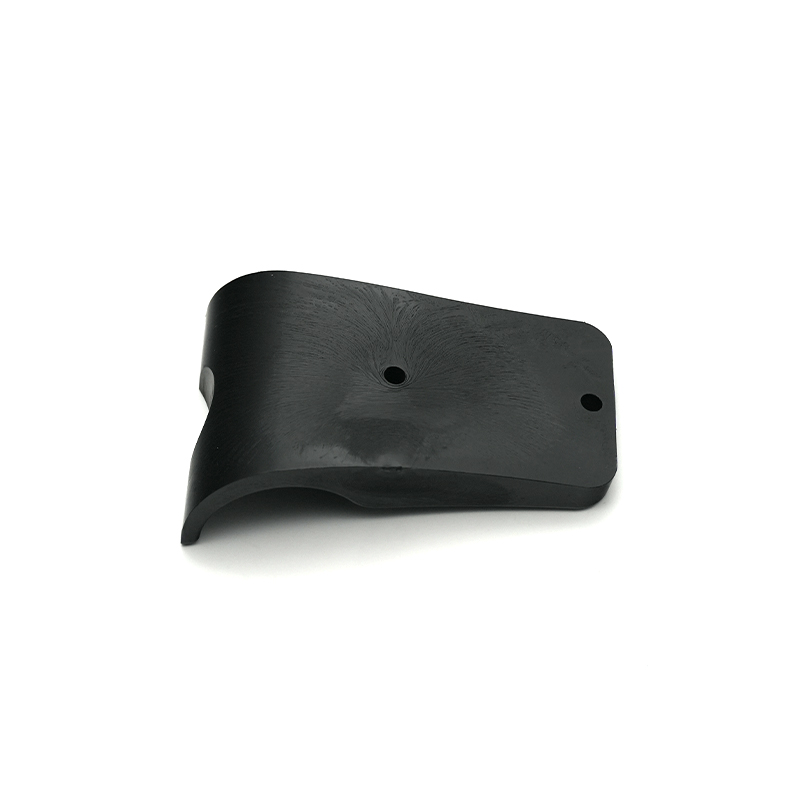
Material Properties of POM: Why It Suits Precision Spacers
What is POM (Polyoxymethylene) and why it matters for engineered plastic components
Polyoxymethylene (POM), commonly known as acetal or by trade names such as Delrin, is a semi-crystalline engineering thermoplastic prized for its stiffness, dimensional stability, and low friction. For manufacturers and designers of engineered plastic components, POM presents a balanced combination of mechanical and chemical properties that make it a top choice for precision spacers. When precision, repeatability, and long-term performance are required, POM often outperforms other common plastics.
Key material properties that make POM ideal for precision spacers
POM offers a suite of physical and mechanical characteristics that directly address the core needs of precision spacers used in demanding assemblies. The most relevant properties include:
- High stiffness and tensile strength — helps maintain geometry under mechanical loads.
- Excellent dimensional stability — critical where tight tolerances and minimal creep are required.
- Low coefficient of friction and good wear resistance — essential for moving contacts and dynamic interfaces.
- Low moisture absorption — reduces dimensional changes in humid or variable environments.
- Good chemical resistance to many solvents, fuels, and greases — preserves integrity in aggressive environments.
- Good machinability and suitability for injection molding — enables cost-effective high-volume production of engineered plastic components with tight tolerances.
These attributes mean POM-based spacers, such as Bost’s black POM spacer made by injection molding, can deliver consistent positioning and long service life in industrial assemblies.
Dimensional stability and low moisture absorption: keeping tolerances tight
Precision spacers must hold axial and radial positions within assemblies over time and across environmental changes. POM's semi-crystalline structure gives it low thermal expansion and minimal moisture uptake compared with other engineering plastics like nylon (PA). Low water absorption (typically <0.2% weight gain for POM vs. 2-3% or higher for many nylons) means dimensions remain stable in humid conditions. This stability is key for engineered plastic components that must meet repeatable fit and clearance specifications, such as bearings, gears, and spacers used in precision mechanisms.
Wear resistance and low friction: ideal for moving interfaces
Many spacer applications involve sliding, rotation, or cyclic contact. POM has a naturally low coefficient of friction and good wear resistance, which reduces fretting and surface degradation. Bost’s black POM spacer, produced by injection molding for consistent microstructure and density, is specifically engineered for superior wear resistance and dimensional stability. The result is precise positioning in demanding applications and extended service life compared with many generic engineered plastic components.
Chemical resistance and thermal performance for real-world use
POM resists a wide range of hydrocarbons, solvents, and cleaning agents, which makes it suitable for environments where exposure to oils, fuels, or cleaning fluids is likely. Its usable temperature range (typically -40°C to +100°C for continuous service, with short-term excursions higher) covers many industrial, automotive, and consumer applications. When specifying engineered plastic components, consider the specific chemical exposures and thermal cycles your assembly will experience; POM often offers a favorable balance of chemical resistance and thermal stability for spacers.
Manufacturing advantages: why injection molding suits precision spacers
Injection molding is an efficient, high-precision process for producing engineered plastic components at scale. For spacers, injection molding of POM delivers:
- High repeatability and tight dimensional tolerances — achievable with optimized tooling and process control.
- Complex geometries and integrated features — reducing assembly steps and part count.
- Uniform mechanical properties — injection-molded POM parts like Bost’s black POM spacer exhibit consistent density and surface finish that enhance wear resistance.
- Cost-effective production at volume — lowering unit costs while maintaining quality.
Because POM flows well under typical molding conditions and has relatively low shrinkage, designers can achieve precise fits with less post-machining than many other materials, making it ideal for engineered plastic components that demand both precision and economy.
Design considerations when specifying Bost’s black POM spacer
When integrating Bost’s black POM spacer into your assembly, consider the following practical design and application points to maximize performance:
- Tolerances: take advantage of POM’s dimensional stability by specifying tighter tolerances where appropriate, but allow for processing-related shrinkage typical of molded thermoplastics.
- Surface finish: smoother surfaces reduce friction and wear; injection molding with polished tooling yields better running surfaces for moving parts.
- Wall thickness and ribs: avoid overly thin walls to prevent sink marks or internal stresses; design ribs and gussets to maintain stiffness without causing warpage.
- Edge radii and fillets: POM benefits from generous radii to reduce stress concentrations and improve moldability.
- Temperature and load limits: validate design under expected temperature ranges and mechanical loads; consider reinforced grades if higher stiffness is required.
These considerations ensure engineered plastic components like spacers deliver reliable and repeatable positioning over long service intervals.
Performance comparison: POM vs Nylon (PA) vs PTFE
Choosing the right material depends on competing priorities. The table below summarizes typical differences relevant to precision spacers used in engineered plastic components.
| Property | POM (Acetal) | Nylon (PA) | PTFE (Teflon) |
|---|---|---|---|
| Dimensional stability | High (low moisture uptake) | Lower (higher moisture absorption) | High (but high thermal expansion) |
| Wear resistance | Excellent | Good (but may swell) | Very good (low friction) but soft |
| Coefficient of friction | Low | Moderate | Very low |
| Strength and stiffness | High | Moderate to high | Low |
| Chemical resistance | Good overall | Good but variable | Excellent |
| Typical manufacturing | Injection molding, machining | Injection molding, extrusion, machining | Molding, machining (difficult to process) |
Summary: POM balances stiffness, wear resistance, low friction, and dimensional stability, making it a superior choice for many precision spacer applications compared with nylon and PTFE, especially where geometry and tight tolerances matter.
Application examples and use cases for engineered plastic components
POM spacers are widely used across industries due to their reliability and balance of properties. Typical use cases include:
- Automotive assemblies: sensor mounts, trim spacers, and linkage components where wear resistance and dimensional stability are required.
- Electronics and connectors: insulation spacers and mounting standoffs where precise positioning is critical.
- Appliances and consumer goods: bearing-like spacers in motors, pulleys, and rotating assemblies.
- Industrial equipment: guide rails, separators, and low-friction spacers in conveyors and processing lines.
- Medical devices (non-implant): housings and spacers where chemical resistance and cleanliness matter, with appropriate material grade selection.
Across these examples, engineered plastic components made from injection-molded POM like Bost’s black POM spacer provide predictable behavior and long-term service, reducing maintenance and replacement frequency.
Quality, testing and standards for engineered plastic spacers
When selecting spacers for critical applications, request data on mechanical testing, wear testing, and environmental exposure. Relevant tests and standards include tensile and flexural testing (ISO 527 or ASTM D638), wear and friction assessment, and thermal characterization. Injection-molded parts should be validated for dimensional tolerance, surface finish, and batch-to-batch consistency. Working with manufacturers who publish test data and maintain quality systems (ISO 9001 certification, for example) helps ensure that engineered plastic components meet your design intent and regulatory needs.
Brand advantages: Why choose Bost's black POM spacer for your engineered plastic components
Bost’s black POM spacer made by injection molding combines the inherent material advantages of POM with precision manufacturing and engineering experience. Key brand advantages include:
- Injection-molded for consistent dimensional accuracy and surface finish that reduce assembly variation.
- Formulated and produced for superior wear resistance and dimensional stability in demanding conditions.
- Designed for long service life and reliable positioning across a wide range of engineered plastic components applications.
- Available in controlled lots with quality documentation and testing results for engineering validation.
Choosing Bost’s black POM spacer helps reduce downtime, minimize part variation, and simplify assembly processes while delivering the predictable performance required in high-precision applications.
FAQ
Q: What makes Bost's black POM spacer better than generic spacers?
A: Bost's black POM spacer is injection-molded to tight tolerances and optimized for wear resistance and dimensional stability. This manufacturing control and material formulation reduce variability and extend service life compared with many generic spacers.
Q: Can POM spacers handle high temperatures?
A: POM can handle continuous service temperatures typically up to about 90-100°C and short-term peaks above that. For sustained high-temperature applications, consider high-temperature engineering plastics or reinforced POM grades and validate under real operating conditions.
Q: Is POM suitable for outdoor use?
A: Standard POM may degrade under prolonged UV exposure. For outdoor applications, consider UV-stabilized grades or protective coatings. For engineered plastic components exposed to weathering, validate material choice through accelerated aging tests.
Q: How precise can injection-molded POM spacers be?
A: With optimized tooling and process control, injection-molded POM spacers can be produced to tight tolerances suitable for many precision assemblies. Typical achievable tolerances depend on size and geometry but can be tightened through careful design and post-process inspection.
Q: Can Bost’s black POM spacer replace metal spacers?
A: In many cases, yes. POM spacers offer lower weight, reduced corrosion risk, and low friction. However, for extreme loads or temperatures beyond POM's limits, metal spacers may still be required. Evaluate load, temperature, and life-cycle requirements when considering a material switch.
Contact and view product
With material advantages clearly defined, many manufacturers evaluate the economic impact of switching materials or processes. Reducing assembly costs with injection-molded POM spacers highlights how part integration and repeatability translate into lower total assembly costs.If you need precision, durability, and wear resistance in your engineered plastic components, consider Bost’s black POM spacer. Contact our technical sales team for material data sheets, tolerancing guidance, sample parts, and volume pricing, or view the product page to learn more and request a quote.
Authoritative references
- Polyoxymethylene - Wikipedia: https://en.wikipedia.org/wiki/Polyoxymethylene
- Delrin Acetal Resin (DuPont product information): https://www.dupont.com/products/delrin-acetal-resin.
- PlasticsEurope - Information about engineering plastics: https://www.plasticseurope.org/en/about-plastics/what-are-plastics
- MatWeb - Material Property Data: search for acetal/POM datasheets at https://www.matweb.com
- ISO standards (material testing): https://www.iso.org/standards.
Tags
PP Material Tube
PP Material Tube
custom injection molding manufacturer
custom injection molding manufacturer
Electronic device casings
Electronic device casings
injection molding parts
injection molding parts
High-strength impact-resistant
High-strength impact-resistant
china plastic spur gears
china plastic spur gears
Recommended for you
Plastic Bushing Materials Explained: Why Choose PE?
How Injection Molding Enhances PVDF Cover Strength and Fit
Marine-Grade Considerations for UV-Resistant Connectors
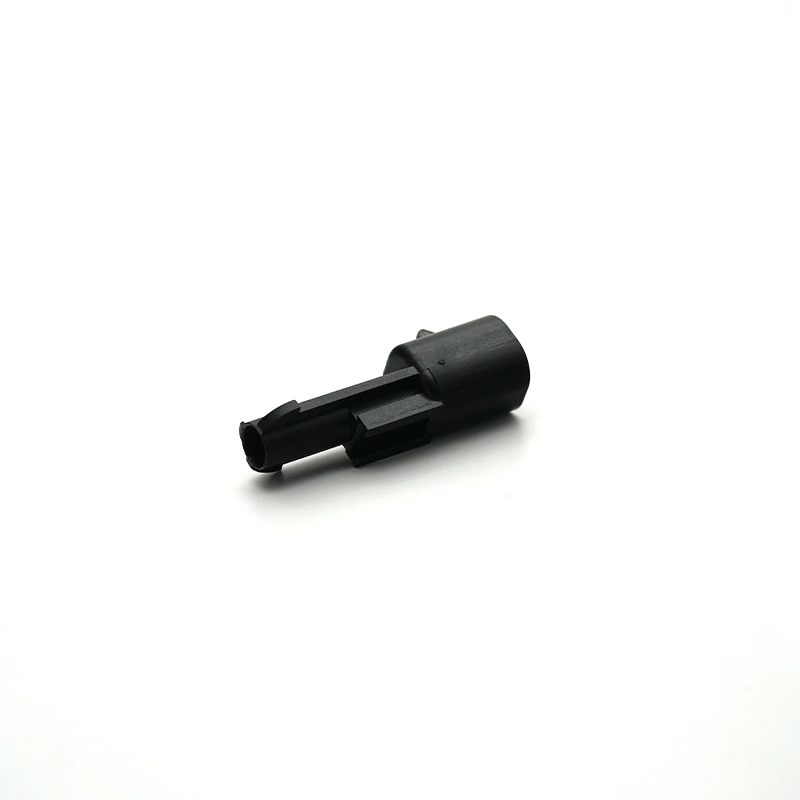
Supply Chain Tips for Procuring Black UV-Resistant ABS Connectors
Prdoucts Categories
Question you may concern
FAQs
Can Bost customize modified plastics with special properties?
Yes! We offer modification services such as reinforcement, flame retardancy, conductivity, wear resistance, and UV resistance, for example:
• Adding carbon fiber to enhance stiffness
• Reducing the coefficient of friction through PTFE modification
• Customizing food-grade or medical-grade certified materials
What are the core advantages of Bost engineering plastics compared to ordinary plastics?
Bost engineering plastics feature ultra-high mechanical strength, high-temperature resistance (-50°C to 300°C), chemical corrosion resistance, and wear resistance. Compared to ordinary plastics, their service life is extended by 3 to 8 times, making them suitable for replacing metals in harsh environments.
How do I select the appropriate engineering plastic grade for my product?
Selection should be based on parameters such as load conditions (e.g., pressure/friction), temperature range, medium contact (e.g., oil/acid), and regulatory requirements (e.g., FDA/RoHS). Our engineers can provide free material selection consulting and sample testing.
What is the delivery lead time? Do you offer global logistics?
Standard products: 5–15 working days; custom modifications: 2–4 weeks. We support global air/sea freight and provide export customs clearance documents (including REACH/UL certifications).
What is the minimum order quantity (MOQ)? Do you support small-batch trial production?
The MOQ for standard products is ≥100kg. We support small-batch trial production (as low as 20kg) and provide mold testing reports and performance data feedback.
You may also like
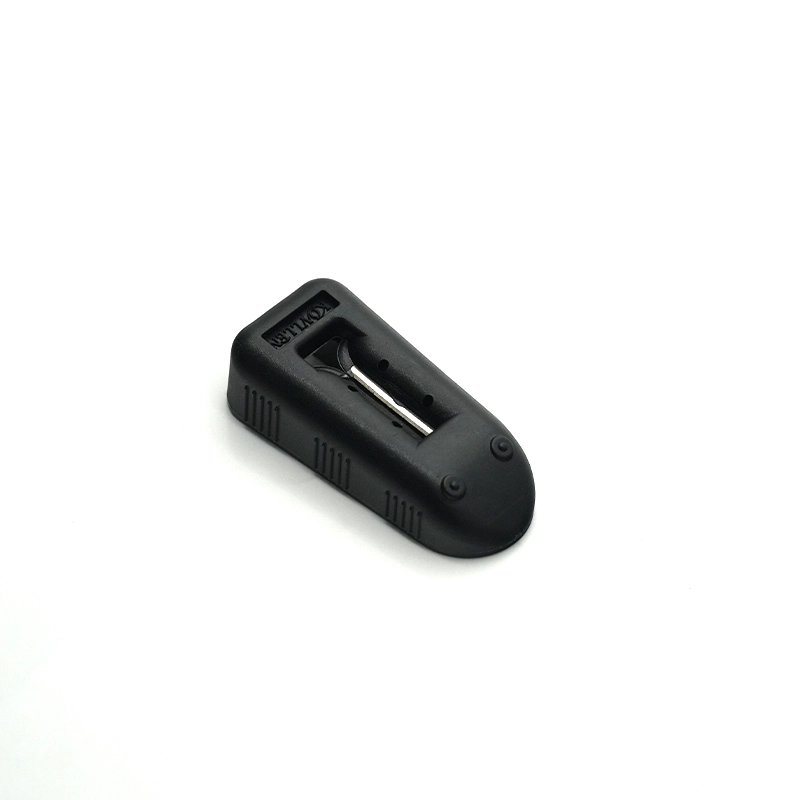
The plastic plug manufactured by Insert molding with stainless steel plate
Bost’s Insert-Molded Stainless Steel Plate Plastic Plug offers superior durability and corrosion resistance. This stainless steel insert durable plastic plug ensures a secure fit and long-lasting performance, ideal for industrial and commercial applications. Robust design meets quality standards.
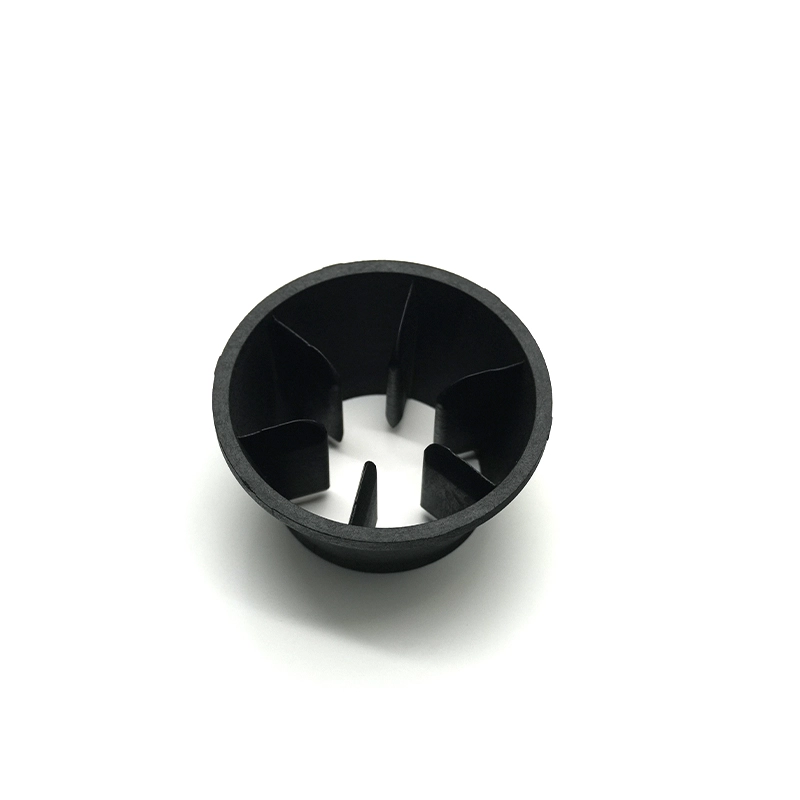
The Bost custom PPO flow valve by injection molding
The BOST Custom PPO Injection-Molded Flow Valve delivers high-temp and corrosion-resistant performance for industrial flow control. Precision-engineered by Bost, this custom PPO valve ensures durable, reliable operation in demanding environments. Optimize your process with BOST’s advanced injection-molded solution.
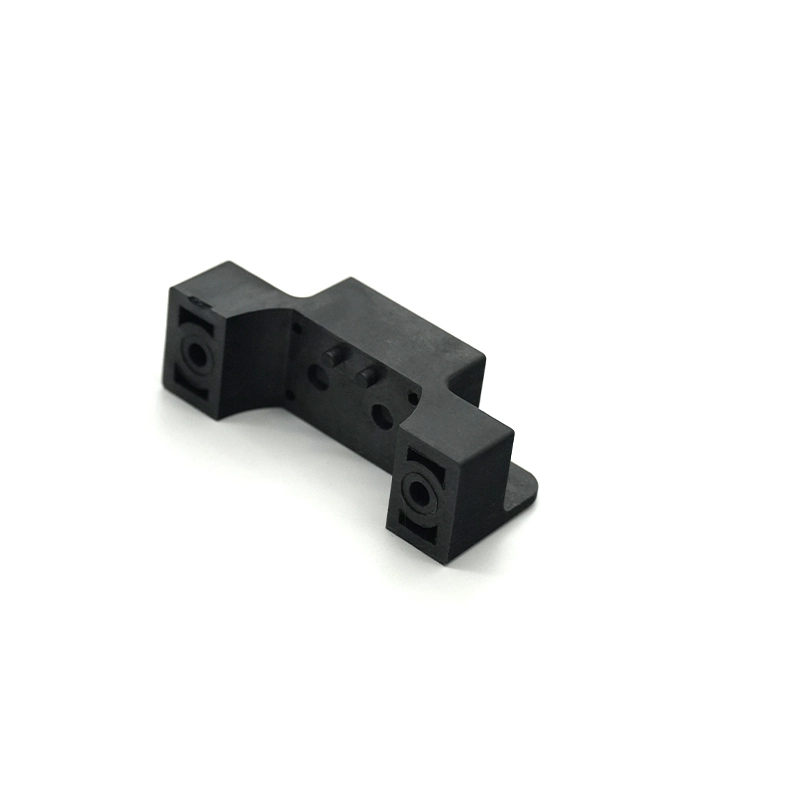
The Bost custom plastic handle by injection molding with high performance PPS material
BOST Custom PPS Injection-Molded Wear-Resistant Handle delivers superior durability and high performance. Made from High Quality PPS material, this injection-molded handle ensures exceptional wear resistance, ideal for demanding applications and long-lasting use. Choose BOST for quality and reliability.
The Bost custom flow meter by injection molding with PES plastic
The Bost Custom PES Injection-Molded Flow Meter offers high-temperature and corrosion resistance, ideal for industrial use. Made with durable PES plastic via precision injection molding, this flow meter ensures reliable, customized performance for demanding applications. Trust Bost for quality and innovation.
Get in touch with Bost
Have any questions or concerns about our products? Please leave us a message here, and our team will get back to you promptly.

24 hours quotes delivered
Submit CAD files, get quote in 24 hours

No MOQ required
From prototyping to high-volume

±0.02 mm Precision
Advanced CNC with full inspections

1,000+ tons in stock
26 materials ready to ship
© 2026 BOST. All Rights Reserved.