
 Scan QR Code
Send My Request
Crossing Manufacturing Boundaries: A Comprehensive Analysis of Precision Injection Molding for Special Engineering Plastics in Extreme Environments
2026-03-14
Bost leads in precision injection molding of special engineering plastics, delivering unmatched solutions for extreme environments. As trusted special engineering plastics suppliers, we ensure durability and performance, crossing manufacturing boundaries to meet your most demanding industrial needs.
- Why are Special Engineering Plastics the Ultimate Choice to Replace Metal?
- Mastering Special Polymers: Core Injection Molding Process Pain Points Analyzed
- 1. Breaking the Limits of High-Temperature Thermal Management
- 2. Precision Mold Design for Special Rheology
- 3. Equipment Upgrades and Parameter Tuning to Prevent Material Degradation
- Workshop Record: How Precision Injection Molding Saved a Scrapped Aerospace Component?
- Conclusion: Find a High-Quality Partner Who Understands Materials and Processes
In today's rapidly changing global manufacturing landscape, engineers are facing an almost contradictory demand: components must become increasingly lightweight, yet simultaneously maintain absolute structural stability and mechanical strength in extremely harsh environments such as high temperatures of several hundred degrees, strong acids and bases, or high-frequency electromagnetic radiation. When traditional aluminum alloys, stainless steel, and even commodity engineering plastics (like PC and POM) fail in the face of these extreme challenges, Special Engineering Plastics have emerged as the ultimate, and often the only, solution to break through the bottleneck.
As a veteran who has spent over a decade on the front lines of the injection molding shop floor, we have witnessed industry shake-ups brought about by material iterations countless times. When purchasing managers receive blueprints specifying special materials like PEEK, PEI (Ultem), or PPS, they often underestimate the processing difficulty. Understanding the material and being able to mold it perfectly are two completely different things. Today, we will strip away the lofty theoretical jargon and, from the perspective of real production lines, deeply deconstruct the underlying processing logic of Special Engineering Plastics. We will explore how those mass production pain points that give engineers headaches are conquered one by one through scientific processes.
Why are Special Engineering Plastics the Ultimate Choice to Replace Metal?
In the pyramid of the plastics industry, Special Engineering Plastics undoubtedly sit at the very top. They possess unique molecular chain structures and extremely high crystallinity (or specific amorphous structures), which endow them with astonishing physical and chemical properties.
-
Unparalleled Heat Resistance: Materials such as PEEK and PI can easily exceed long-term use temperatures of 250°C, and will not melt or deform even under instantaneous high temperatures of over 300°C.
-
Extreme Lightweighting and High Strength: Compared to aerospace aluminum, they can reduce weight by as much as 40% to 60% while providing matching or even higher specific strength.
-
Outstanding Corrosion and Flame Resistance: Without adding any flame retardants, many special polymer materials inherently possess an excellent V-0 flame retardancy rating and can resist the corrosion of the vast majority of organic solvents, acids, and bases.
However, these near-perfect performances turn into an untamed "wild horse" in front of the injection molding machine. Successfully converting them into high-precision components imposes extremely rigorous tests on an injection molding factory's hardware capabilities and process expertise.
Mastering Special Polymers: Core Injection Molding Process Pain Points Analyzed
In actual workshop production, the processing window for Special Engineering Plastics is extremely narrow. A slight temperature fluctuation or pressure imbalance will cause the product to be scrapped directly. Below are the core technical barriers we face and resolve every single day:
1. Breaking the Limits of High-Temperature Thermal Management
The melting points of special engineering plastics are usually staggeringly high. Taking PEEK as an example, the heating temperature of the injection molding machine's barrel often needs to be set between 380°C and 400°C. This is not just a test for the heating bands; it is a massive challenge for mold temperature control. To allow the material to fully crystallize within the mold cavity, the mold temperature must be stably maintained at 170°C to over 200°C.
If the mold temperature is too low, the high-temperature melt will be "frozen" the instant it touches the mold wall, resulting in severe poor crystallization. On the product, this manifests as a dull color, cold slugs on the surface, and extremely high residual stress lurking inside, ultimately leading to brittle fracture during customer use. This requires us to be equipped with high-power, ultra-high-temperature oil heaters and to design extremely complex conformal temperature control water channels.
2. Precision Mold Design for Special Rheology
Facing a high-temperature, high-pressure melt approaching 400°C, traditional mold design experience often fails. Under high-speed injection, Special Engineering Plastics easily generate tremendous shear friction, causing the air in the cavity to be instantly and severely compressed, generating high temperatures (the diesel effect). If the venting system is not reasonably designed, the edges and blind holes of the product will be directly burned and blackened.
Therefore, during the preliminary design phase, engineers must utilize high-precision Moldflow analysis software for repeated simulations to accurately predict the locations of weld lines. Simultaneously, high-quality hot-work mold steels like S136 or H13 must be selected and subjected to special heat treatments to resist the severe scouring of the high proportion of glass or carbon fibers that the material might contain.
3. Equipment Upgrades and Parameter Tuning to Prevent Material Degradation
Special materials have a very narrow thermal stability window at high temperatures. If the screw design is unreasonable (e.g., the compression ratio is too large), or if the melt stays in the barrel for too long, the material will rapidly undergo thermal degradation. This leads to the breaking of molecular chains and a sharp decline in physical properties.
In a mature injection molding process, we need to select dedicated low-compression-ratio screws for different materials and extremely precisely set multi-stage injection speeds and the holding pressure switch-over point (V/P transfer). This closed-loop process control at the micron and millisecond levels is the core of ensuring batch stability.
Workshop Record: How Precision Injection Molding Saved a Scrapped Aerospace Component?
Theory is shallow without practice; let's share a real customer complaint case that happened in our workshop. An aerospace drone manufacturer hit a fatal bottleneck while developing a load-bearing structural component. The part specified the use of 30% carbon fiber reinforced PEI (Ultem) material, a typical Special Engineering Plastics.
The samples delivered by their previous supplier after the mold trial frequently developed micro-cracks around the holes during high and low-temperature alternating shock tests, and the dimensional tolerances severely exceeded the ±0.03mm standard. Seeing the project delivery deadline approaching, the client urgently came to us with the blueprints.
After our engineering team took over, we immediately conducted a cross-sectional analysis to determine the cause of failure. We found that not only did the original supplier's substandard mold temperature lead to severe internal stress, but more fatally, the incorrect gate location design caused the carbon fibers to form extremely fragile weld lines around the holes.
We decisively scrapped the original plan and executed a high-standard mold design. We adopted multi-point fan gating to optimize the orientation of the carbon fibers and added a vacuum venting system within the mold cavity. In the subsequent precision injection molding trial run, we utilized an all-electric injection molding machine to release the holding pressure in an extremely gradual, stepped manner. The final delivered components not only perfectly passed the exceptionally rigorous fatigue tests, but their dimensional accuracy was firmly locked within ±0.015mm, successfully saving the client's launch schedule.
Conclusion: Find a High-Quality Partner Who Understands Materials and Processes
In the arena of high-end manufacturing, Special Engineering Plastics endow products with infinite imagination, but this is absolutely not a process that can be easily mastered simply by buying and selling equipment. What it requires is "hardcore experience" accumulated through countless problem-solving efforts and endless days and nights of technical research by the factory.
At BOST, we have a senior engineering team with a deep understanding of the characteristics of polymer materials, as well as a modern cleanroom injection molding workshop equipped with top-tier high-temperature resistant systems. From early DFM evaluation and highly difficult precision mold manufacturing to final mass delivery, we provide end-to-end reliable guarantees for B2B customers worldwide.
Is your next project also facing harsh challenges regarding high temperature resistance, corrosion resistance, or extreme mechanical properties? Do not let immature processing techniques slow down your R&D progress. We invite you to visit our official website at https://www.gz-bost.com immediately to get in touch with our technical experts. Submit your 3D drawings, and let us provide you with a highly competitive, accurate quote and technical support using our professional special engineering plastics injection molding solutions.
Recommended for you
Ultimate Guide: Selecting High-Performance Rubber Seals to Optimize Equipment Longevity
Ultimate Guide: How to Enhance Product Performance and Reduce Costs via Insert Molding Optimization
Goodbye Peeling and Cracking: How Over Molding Perfectly Achieves Seamless Multi-Material Integration
Conquering Corrosion and High Heat: Core Processes and Pitfall Guide for Fluoroplastic Precision Injection Molding
Prdoucts Categories
FAQ
FAQs
What is the delivery lead time? Do you offer global logistics?
Standard products: 5–15 working days; custom modifications: 2–4 weeks. We support global air/sea freight and provide export customs clearance documents (including REACH/UL certifications).
Can Bost customize modified plastics with special properties?
Yes! We offer modification services such as reinforcement, flame retardancy, conductivity, wear resistance, and UV resistance, for example:
• Adding carbon fiber to enhance stiffness
• Reducing the coefficient of friction through PTFE modification
• Customizing food-grade or medical-grade certified materials
How do I select the appropriate engineering plastic grade for my product?
Selection should be based on parameters such as load conditions (e.g., pressure/friction), temperature range, medium contact (e.g., oil/acid), and regulatory requirements (e.g., FDA/RoHS). Our engineers can provide free material selection consulting and sample testing.
What is the minimum order quantity (MOQ)? Do you support small-batch trial production?
The MOQ for standard products is ≥100kg. We support small-batch trial production (as low as 20kg) and provide mold testing reports and performance data feedback.
What are the core advantages of Bost engineering plastics compared to ordinary plastics?
Bost engineering plastics feature ultra-high mechanical strength, high-temperature resistance (-50°C to 300°C), chemical corrosion resistance, and wear resistance. Compared to ordinary plastics, their service life is extended by 3 to 8 times, making them suitable for replacing metals in harsh environments.
You may also like
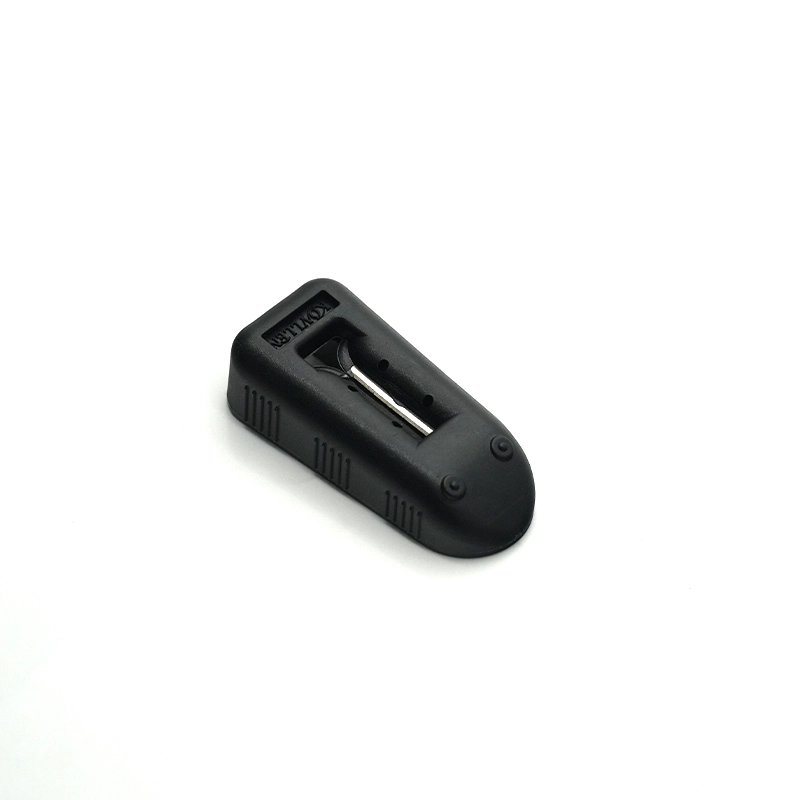
The plastic plug manufactured by Insert molding with stainless steel plate
More Details →
The plastic plug manufactured by Insert molding with stainless steel plate
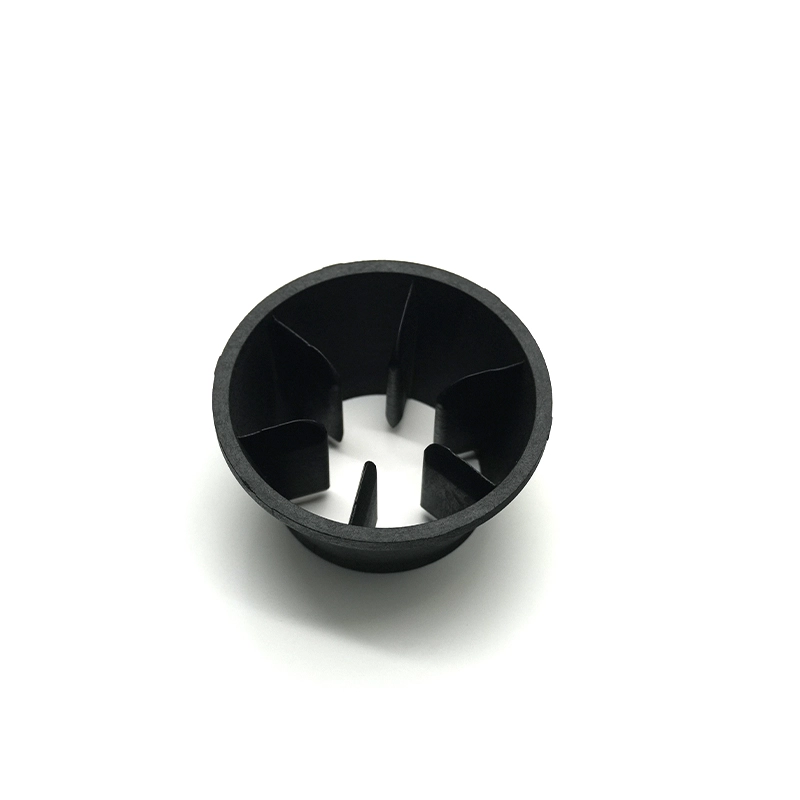
The Bost custom PPO flow valve by injection molding
More Details →
The Bost custom PPO flow valve by injection molding
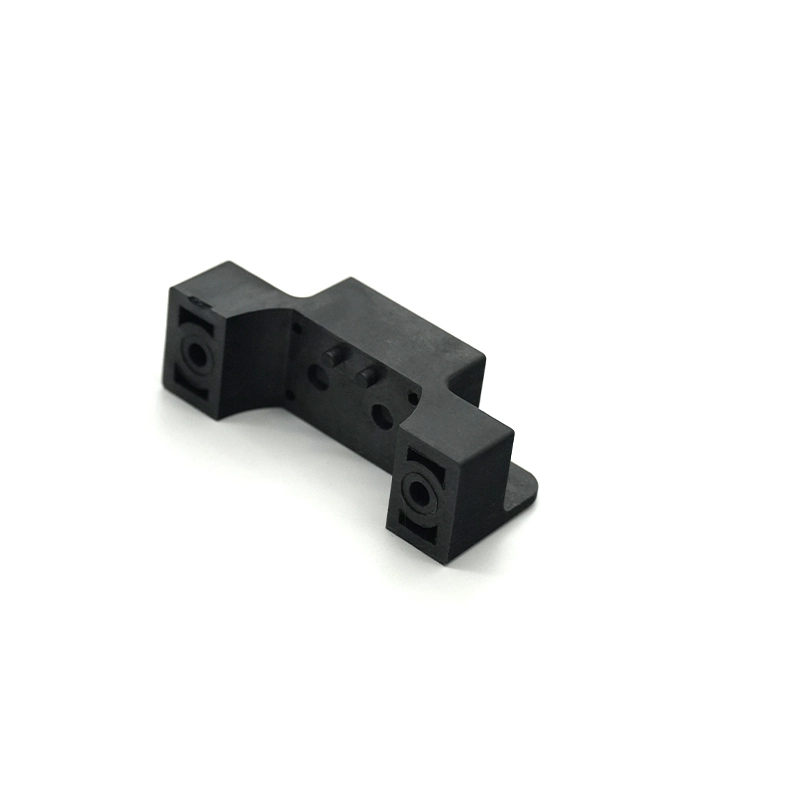
The Bost custom plastic handle by injection molding with high performance PPS material
More Details →
The Bost custom plastic handle by injection molding with high performance PPS material
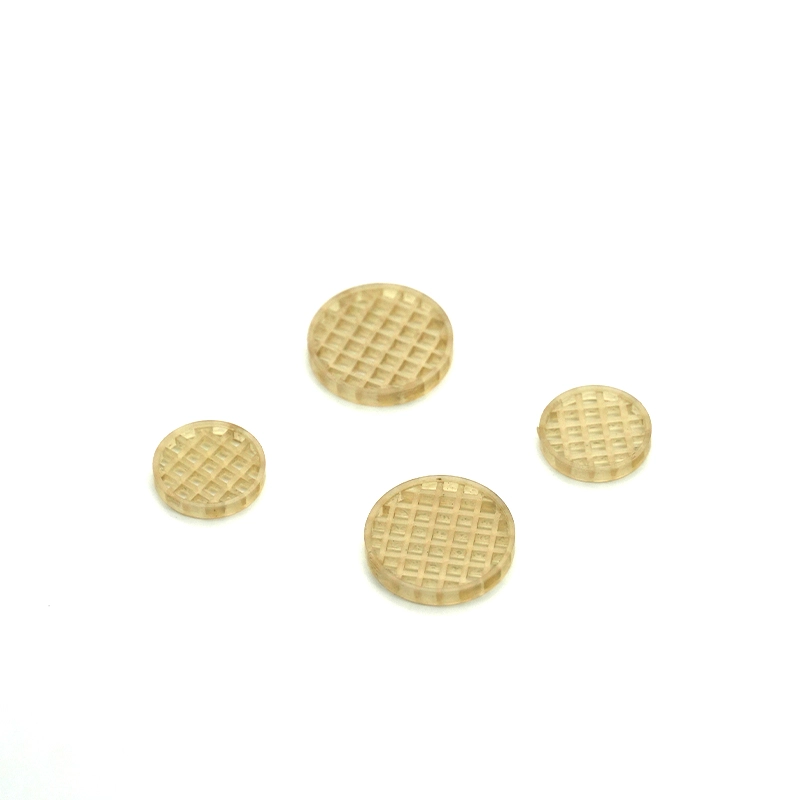
The Bost custom flow meter by injection molding with PES plastic
More Details →
The Bost custom flow meter by injection molding with PES plastic
Leave a Message
Have any questions or concerns about our products? Please leave us a message here, and our team will get back to you promptly.

24 hours quotes delivered
Submit CAD files, get quote in 24 hours

No MOQ required
From prototyping to high-volume

±0.02 mm Precision
Advanced CNC with full inspections

1,000+ tons in stock
26 materials ready to ship
© 2026 BOST. All Rights Reserved.