
 Scan QR Code
Send My Request
Precision Plastic Injection Molding: The Three Technical Pillars from Mold Design to Mass Production
2026-03-12
Bost's precision plastic injection molding stands on three technical pillars: expert mold design, validated prototyping, and scalable mass production. We ensure quality from concept to final part.
Article 1: From Mold Design to Mass Production: Deep Dive into the Three Technical Pillars of Precision Plastic Injection Molding
In today's hyper-competitive manufacturing landscape, **plastic injection molding** has evolved far beyond the simplistic notion of "melting plastic and injecting it into a mold." As we venture into high-stakes sectors like medical devices, automotive electronics, aerospace, and new energy, the demands placed on injection molded parts have become extraordinarily stringent. Clients routinely require advanced materials like PEEK to withstand continuous service at 260°C without deformation, while simultaneously holding dimensional tolerances within ±0.02 mm—a feat comparable to machining metal. Moreover, they often need these parts in volumes ranging from a few thousand prototypes to millions of production units annually, with each piece exhibiting flawless, repeatable quality.
Having spent over a decade knee-deep in the trenches of engineering plastics and precision manufacturing at Bost, I've witnessed firsthand how a successful **plastic injection molding** project is rarely about a single breakthrough. It's a delicate, orchestrated dance involving three interdependent pillars: **material science, mold engineering, and process control**. Neglect any one, and the entire project risks collapse into a cycle of scrap, rework, and missed deadlines. Today, drawing on our experience solving complex challenges for global clients, I'll deconstruct these three technical pillars that separate world-class precision molding from mere guesswork.
---
### H2: 1. Material Selection: Beyond the Data Sheet – Predicting and Harnessing "Behavioral Traits"
The journey to a perfect molded part begins long before the hopper is filled. It starts with a profound respect for the material's personality—its behavior under the extreme conditions of heat, pressure, and flow. Too often, procurement and design teams make the mistake of selecting a resin based solely on its static mechanical properties listed in a data sheet: tensile strength, flexural modulus, heat deflection temperature. While these are important, they tell only part of the story. The true determinant of success in **plastic injection molding** is how the material behaves in its molten, dynamic state—what I call its "behavioral traits."
#### H3: 1.1 The Critical Interplay of Flow, Crystallization, and Thermal History
Consider two workhorses of high-performance plastics: PEEK and PA66 (Nylon 6/6). Both are semi-crystalline polymers, meaning their final mechanical properties, dimensional stability, and chemical resistance are heavily dependent on the crystalline structure formed during the **injection molding** process. This structure isn't automatic; it's directly dictated by the thermal history we impose.
The mold temperature, cooling rate, and hold pressure collectively govern nucleation and crystal growth. For instance, PEEK typically requires mold temperatures in the range of 160°C to 180°C to achieve an optimal degree of crystallinity (around 30-35%). This yields the material's signature high-temperature performance and chemical resistance.
- **Real-World Case Study: The Endoscope Nightmare**
Last year, a medical device manufacturer approached us in desperation. They were producing a critical PEEK component for a surgical endoscope, but their existing supplier was achieving yields barely above 60%. Parts were dimensionally inconsistent, leading to assembly issues and field failures. Our audit revealed the root cause: the supplier, in an attempt to shorten cycle times and "save energy," was running the mold at just 120°C. At this temperature, the PEEK formed only a low level of crystallinity, akin to a partially baked cake. The result was inconsistent surface gloss, unpredictable shrinkage, and high residual stresses that caused post-molding warpage. We brought the process back to the correct thermal parameters, stabilizing yield above 98%.
- **Deep Technical Insight: Anisotropic Shrinkage in Reinforced Materials**
The complexity multiplies when we introduce fillers like glass or carbon fibers. Materials such as PPS with 40% glass fiber (PPS+GF40) exhibit severe anisotropic shrinkage. During flow, the fibers align in the direction of the melt front. Consequently, shrinkage in the flow direction is significantly lower than in the cross-flow direction. This differential can be as high as 0.5% versus 1.2%, a massive variation when holding tight tolerances. If the **mold design** does not explicitly compensate for this—by adjusting cavity dimensions based on predicted fiber orientation—the resulting part will inevitably be out of spec, often twisting like a propeller. That's why we always insist on generating **shrinkage rate curves** under simulated molding conditions before committing to steel. This data, combined with our material expertise, allows us to predict and counter these forces.
---
### H2: 2. Mold Design: Sculpting the Flow, Managing the Heat
If material is the soul, the mold is the body—the physical embodiment of the **plastic injection molding process**. An exceptional mold doesn't just shape plastic; it intelligently manages the flow of molten polymer, the distribution of heat, and the ejection of the finished part. Every feature, from the sprue to the venting grooves, is a calculated decision influencing the final outcome.
#### H3: 2.1 Gate Location: The Butterfly Effect of Polymer Flow
The gate—the small orifice through which molten plastic enters the cavity—is arguably the most influential single feature in mold design. Its location, size, and type determine melt front progression, fiber orientation, weld line positions, and even the presence of trapped gas (burn marks).
- **Practical Tip: Sequential Valve Gating for Delicate Geometries**
For long, slender components like electronic connectors or medical catheter handles, a single gate often leads to problems. The melt front traveling a long distance can cool prematurely, causing short shots or high stress. Our preferred approach is to use a hot runner system with multiple valve gates, controlled sequentially. By opening the gates in a timed, programmed order, we can "steer" the melt front. We can force weld lines—those inevitable boundaries where two flow fronts meet—to form in non-critical areas, such as a thick section or a location that will later be trimmed away. This level of control is far more reliable than relying on Moldflow simulations alone, which provide guidance but cannot account for every real-world variable. It transforms mold design from a guessing game into a precision engineering discipline.
#### H3: 2.2 Dynamic Thermal Management: Moving Beyond "One Temperature"
Gone are the days when a mold ran with a single temperature coolant throughout. Today's precision molds are sophisticated thermal systems. We routinely design molds with multiple, independently controlled cooling circuits.
- **Application to Deep-Cavity Parts: Combating Sink Marks**
Consider a deep, ribbed enclosure for an automotive sensor. The thick rib junctions act as heat sinks, cooling slower than the thin walls, leading to sink marks on the cosmetic surface. A "one-size-fits-all" cooling approach fails here. Instead, we implement "conformal cooling" channels that follow the contour of the cavity, often created through additive manufacturing (3D printed mold inserts). Furthermore, we use **dynamic mold temperature control**: during the injection phase, we keep the cavity surface hot (via rapid heating elements) to prevent premature freezing and ensure perfect replication of micro-features. Then, milliseconds after filling, we switch to intense cooling via the conformal channels to rapidly solidify the part and minimize cycle time. This "divide and conquer" approach to thermal management is essential for high-gloss, stress-free, dimensionally stable parts.
---
### H2: 3. Scientific Molding: Replacing Intuition with Irrefutable Data
There's an old saying in our workshops: "The machine operator's feel is valuable, but data is undeniable." True **scientific molding** transforms **plastic injection molding** from an artisanal craft, reliant on the intuition of a veteran setup technician, into a data-driven, highly repeatable manufacturing science. It's about establishing a process window based on the physics of the material and the geometry of the mold, then monitoring that process to ensure every shot stays within the validated limits.
#### H3: 3.1 The Viscosity Curve: Finding the Material's "Sweet Spot"
Every batch of resin, even from the same supplier, has slight variations in melt flow index due to lot-to-llot inconsistencies in molecular weight or additive packages. The first step in any robust process development is to characterize the current material's viscosity behavior under our specific machine and mold conditions. This is done by performing a "viscosity curve test."
- **How It's Done:** We inject the material into the mold at a series of increasing injection speeds, while holding melt temperature and other parameters constant. We record the peak pressure required to fill the cavity at each speed. The resulting curve typically shows a plateau region—a range of speeds where the required pressure is stable and minimal. This plateau is the material's "sweet spot." Operating here provides a buffer against normal process variations (like a slight change in material viscosity) without causing drastic pressure swings that lead to flash or short shots. Locking our process into this sweet spot is the foundation of stability.
#### H3: 3.2 Cavity Pressure Monitoring: The Mold's Real-Time ECG
If the viscosity curve is our diagnostic tool for setup, cavity pressure monitoring is the continuous vital signs monitor during production. Imagine placing tiny sensors inside the mold cavity, flush with the surface, that measure the actual pressure of the plastic as it fills, packs, and cools.
- **Pain Point Solution: From Reactive Scrap Sorting to Predictive Prevention**
These sensors generate a real-time pressure curve—a fingerprint of each cycle. A healthy cycle produces a consistent, repeatable curve. When the curve deviates, it's a warning sign of an underlying issue. For example, a sudden spike in pressure during filling might indicate that the mold's vents are clogged, preventing air from escaping. If left unaddressed, this trapped air will eventually combust due to compression heating, causing black spots or burn marks on the part. With cavity pressure monitoring, the system can flag the deviation and either alert the operator or automatically reject the suspect parts *before* a significant amount of scrap is produced. It shifts the quality paradigm from "inspect and sort" to "monitor and prevent." This is particularly critical in medical and automotive safety applications where zero defects are non-negotiable.
---
### H2: Conclusion: The Enduring Moat of Precision Manufacturing is Integrated Systems Capability
Returning to our central theme, **plastic injection molding** in the 21st century is unequivocally a systems-level engineering discipline. The days of treating it as a simple conversion process are over, especially for high-value applications. The competitive advantage—the "moat"—for any manufacturer lies not in a single piece of equipment or a talented individual, but in the seamless integration of three deep capabilities: a profound, predictive understanding of **material science** under processing conditions; the art and science of **mold design** that masters flow and thermal dynamics; and an unwavering commitment to **data-driven scientific molding** that ensures repeatability and predictability.
Each pillar reinforces the others. Material knowledge informs mold design; mold design dictates process parameters; process data feeds back into material selection for the next iteration. It's a closed-loop system of continuous improvement.
If your projects demand this level of precision—if you are wrestling with tight tolerances, exotic materials, or stubborn quality issues—you need a partner who speaks this systems language fluently. At Bost, our expertise spans the entire chain: from recommending the optimal PEEK, PEI, or PPS grade for your specific application, to conducting a free DFM analysis that optimizes your part and mold design before steel is cut, to running your production with scientific molding discipline in our state-of-the-art facility.
Recommended for you
Breaking Tolerance Limits: How Precision Plastic Injection Molding Solves Mass Production Challenges for Complex Custom Plastic Parts
Pushing Limits: How PEEK injection molding is Reshaping Precision Manufacturing in Medical and Aerospace
In-Depth Analysis of High Performance Plastic Injection Molding: Conquering Precision Manufacturing Challenges in Extreme Environments
How to Evaluate a Reliable "Injection Molding Manufacturer"? Three Technical Observations from Bost
Prdoucts Categories
FAQ
FAQs
What is the delivery lead time? Do you offer global logistics?
Standard products: 5–15 working days; custom modifications: 2–4 weeks. We support global air/sea freight and provide export customs clearance documents (including REACH/UL certifications).
Can Bost customize modified plastics with special properties?
Yes! We offer modification services such as reinforcement, flame retardancy, conductivity, wear resistance, and UV resistance, for example:
• Adding carbon fiber to enhance stiffness
• Reducing the coefficient of friction through PTFE modification
• Customizing food-grade or medical-grade certified materials
What is the minimum order quantity (MOQ)? Do you support small-batch trial production?
The MOQ for standard products is ≥100kg. We support small-batch trial production (as low as 20kg) and provide mold testing reports and performance data feedback.
What are the core advantages of Bost engineering plastics compared to ordinary plastics?
Bost engineering plastics feature ultra-high mechanical strength, high-temperature resistance (-50°C to 300°C), chemical corrosion resistance, and wear resistance. Compared to ordinary plastics, their service life is extended by 3 to 8 times, making them suitable for replacing metals in harsh environments.
How do I select the appropriate engineering plastic grade for my product?
Selection should be based on parameters such as load conditions (e.g., pressure/friction), temperature range, medium contact (e.g., oil/acid), and regulatory requirements (e.g., FDA/RoHS). Our engineers can provide free material selection consulting and sample testing.
You may also like
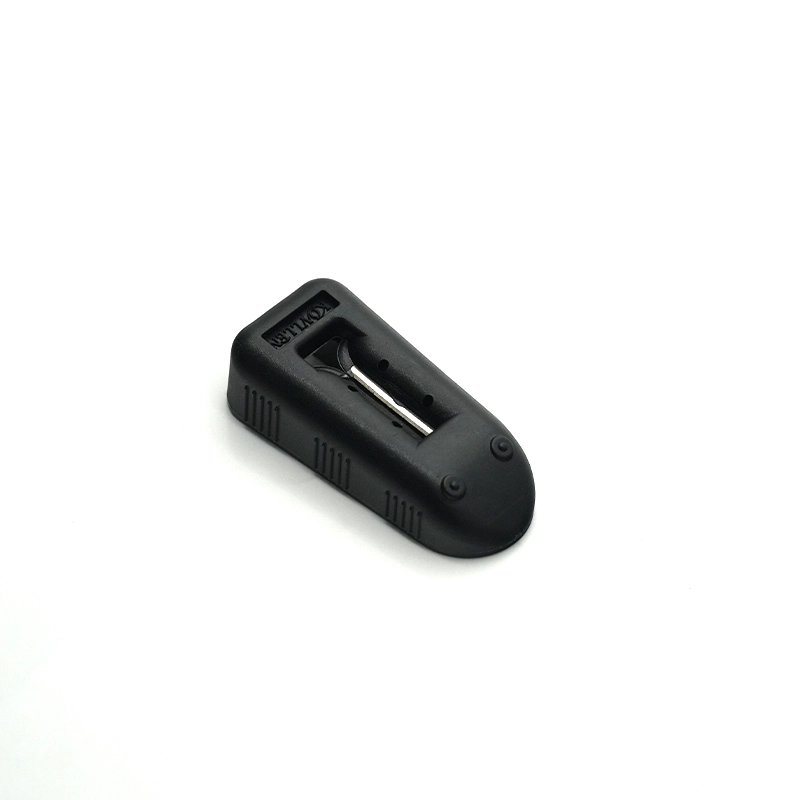
The plastic plug manufactured by Insert molding with stainless steel plate
More Details →
The plastic plug manufactured by Insert molding with stainless steel plate
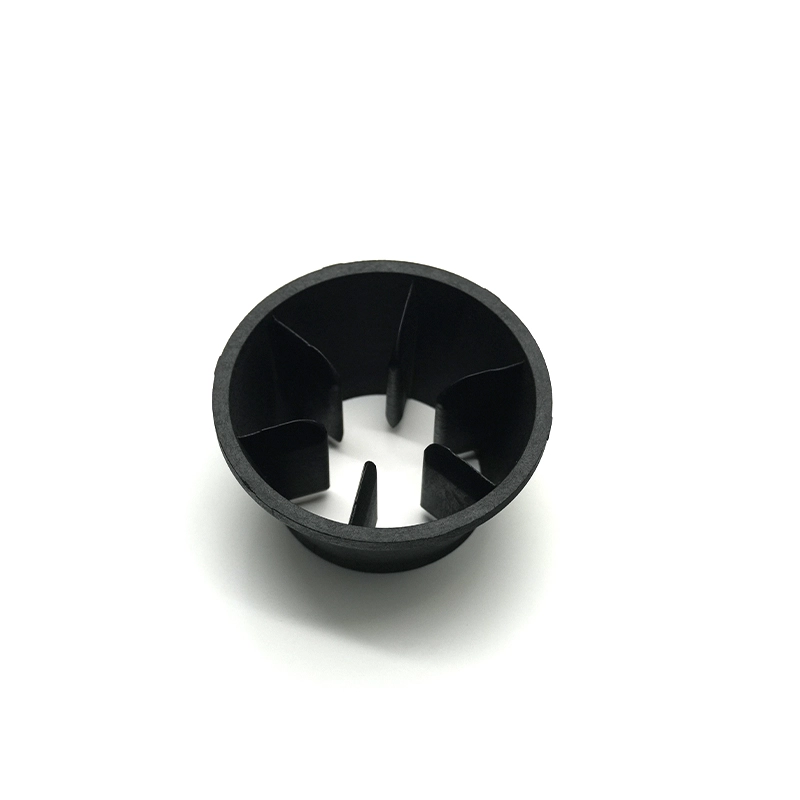
The Bost custom PPO flow valve by injection molding
More Details →
The Bost custom PPO flow valve by injection molding
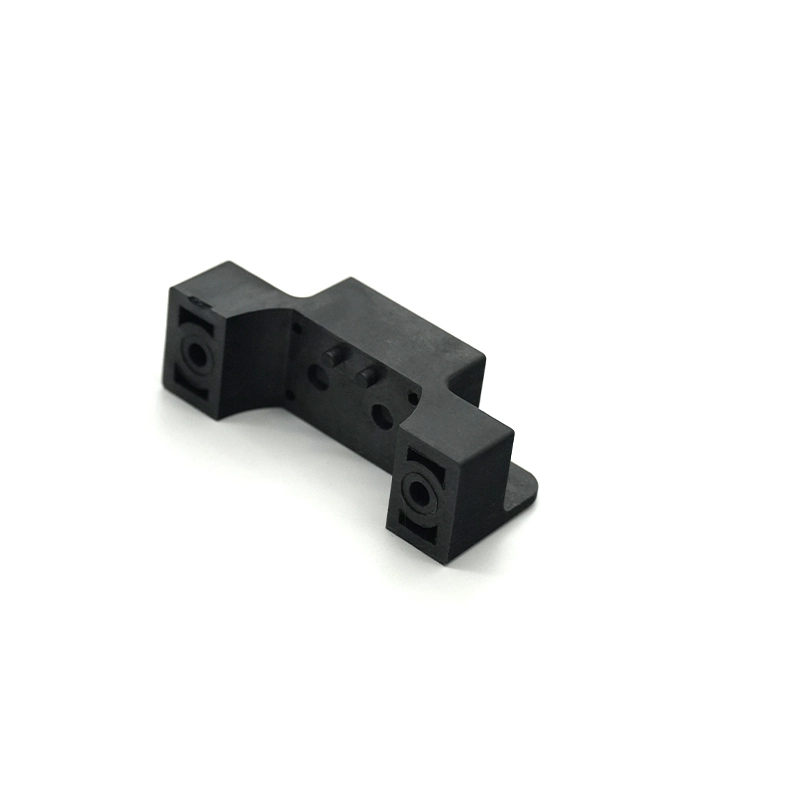
The Bost custom plastic handle by injection molding with high performance PPS material
More Details →
The Bost custom plastic handle by injection molding with high performance PPS material
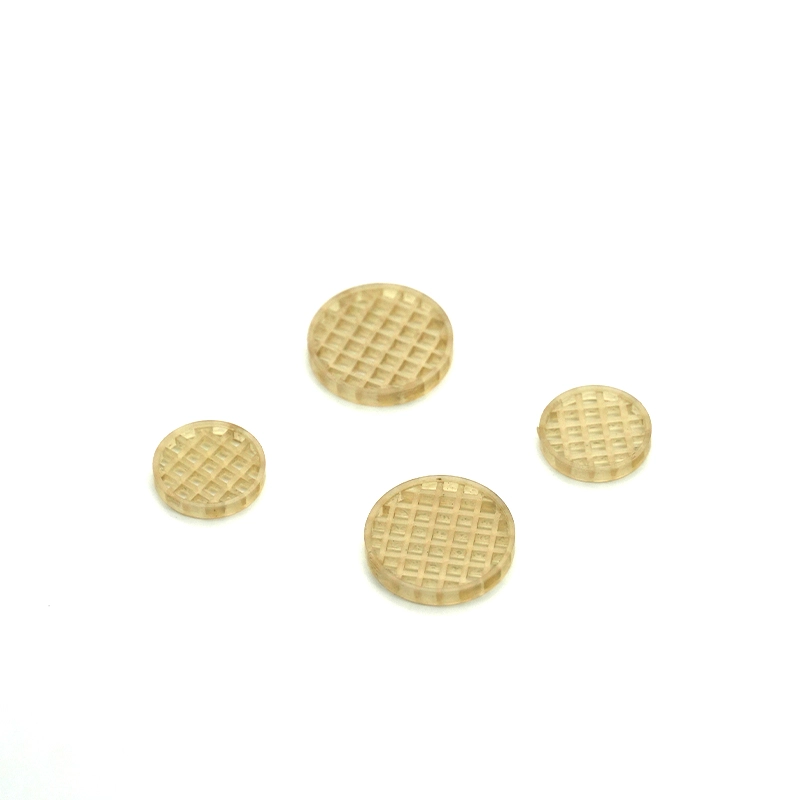
The Bost custom flow meter by injection molding with PES plastic
More Details →
The Bost custom flow meter by injection molding with PES plastic
Leave a Message
Have any questions or concerns about our products? Please leave us a message here, and our team will get back to you promptly.

24 hours quotes delivered
Submit CAD files, get quote in 24 hours

No MOQ required
From prototyping to high-volume

±0.02 mm Precision
Advanced CNC with full inspections

1,000+ tons in stock
26 materials ready to ship
© 2026 BOST. All Rights Reserved.